





“There is a lot of silent suffering among Black pharmacists and Black pharmacy professionals. I’ve experienced some of the worst discrimination myself. For many years, I thought the problem was me.
It was only when I started speaking about my experiences that I realised other people were going through exactly the same thing. Again and again, people told me: ‘I’ve experienced that too.’ It was a turning point for me. I realised it wasn’t an individual problem, but something much bigger.
Nobody was talking about racial discrimination in pharmacy
In 2018, I wrote a blog about racial discrimination in pharmacy that was published in The Pharmaceutical Journal titled: Demanding change: pharmacy professionals must unite to stamp out racial discrimination.
The response was overwhelming. People reached out to me saying how true it was to their own experience, but that no one else was talking about it.
That blog made me realise there was a real need for Black pharmacists to come together, support each other and raise awareness of what’s happening. That’s why I created the UK Black Pharmacists Association.
One of the challenges is that many people don’t want to feel like victims, so they keep their experiences to themselves. I did that myself for many years and it has had a detrimental impact on my mental and physical health.
Discrimination exists whether people want to acknowledge it or not
One of the biggest challenges we face is a lack of recognition that there’s a problem, even from the bodies that govern our profession. If we don’t recognise there’s a problem, we can’t move forward.
I still hear people say there’s no racial discrimination in pharmacy. I’ve even been told that directly on social media. But whenever anonymous surveys are conducted in our profession, they show a very different picture.
Bullying, harassment and evidence of pay gaps are all there. We see Black pharmacists being paid less than White and Asian pharmacists. We see differences in career progression, with Black pharmacists often in lower pay bands and senior roles remaining inaccessible for many.
The discrimination exists whether people want to acknowledge it or not. What worries me is that many people still don’t feel safe speaking out about their experiences. Even when they speak anonymously, they are worried about being identified. There’s a real fear of what will happen to them and their job.
Sometimes people just need someone to listen
I receive messages regularly through LinkedIn and other channels from pharmacists who are struggling. Many of them feel as I once did. They believe they are the problem.
Often, the first thing I do is simply listen. People tell me about the bullying and harassment that they’re experiencing, and the impact these have on their mental health. For many people, it’s the first time that someone has acknowledged what they’re going through and believes them.
How we treat each other affects patient care
My passion for tackling discrimination isn’t only about pharmacy professionals. I believe that if discrimination exists within a workforce, it doesn’t stay there. It can affect how pharmacy professionals interact with patients and communities.
If patients feel judged because English isn’t their first language, because of their ethnicity or because they look different, they’ll feel uncomfortable seeking support. They may not come back to the pharmacy or speak openly about their health. Ultimately, that can affect healthcare outcomes. That’s why talking about racial discrimination matters.
I want to bring people into the conversation
Over the years, I’ve written blogs, spoken on podcasts and given interviews about the issues for Black pharmacists. But being the public face of an issue can be overwhelming.
Sometimes people see you only as the person talking about the problem, rather than someone trying to find solutions. What I want to do is communicate these issues in a way that brings people into the conversation rather than alienating them.
The damage to me has already been done. What matters now is preventing the same thing from happening to others.
I’m taking part in the Spokesperson Leadership Programme to learn how to use social media and wider media more effectively. I want to talk about difficult issues using language that helps people engage and understand. I believe personal stories have the power to create empathy and encourage change.
Personal stories have the power to create change
This work is ultimately about speaking up. I want to raise awareness that people who report racial discrimination are telling the truth. I want to take the conversation as far as possible, including Parliament, because we need to talk about it. Too many people remain silent because they fear the consequences.
Pharmacists shouldn’t have to accept racial discrimination as just another day at work. My hope is that these issues are taken seriously within our profession and beyond it. Because if we acknowledge the problem, we can begin to solve it.”
About the Author
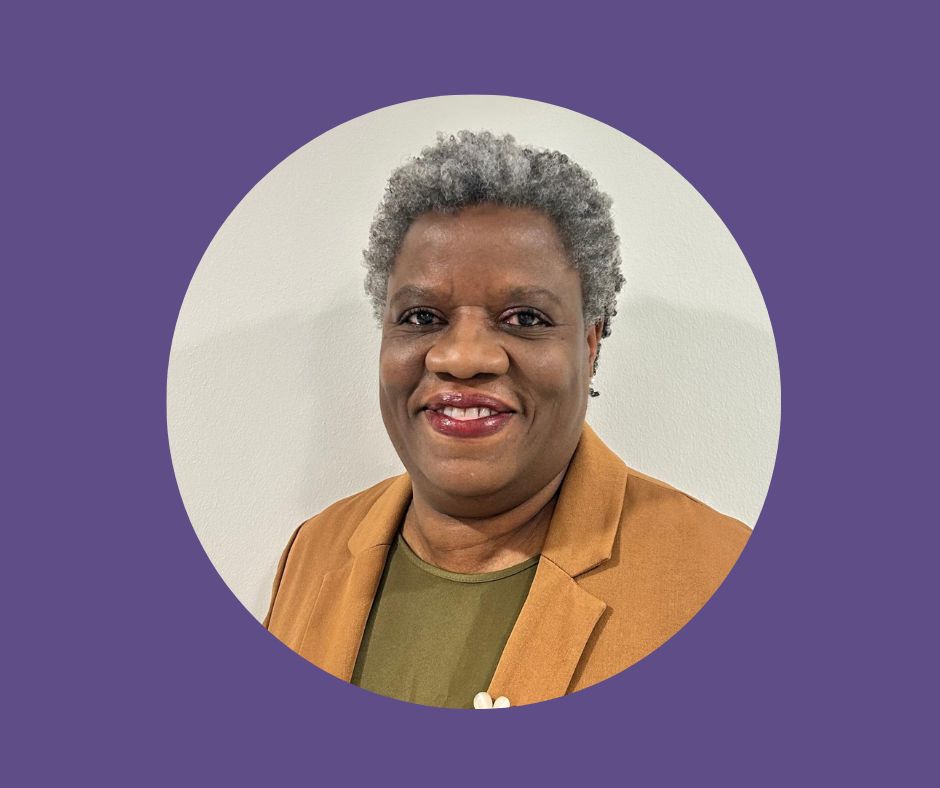
Elsy has over 25 years of experience as a pharmacist in the independent sector and the NHS. She is a leading voice on racism within pharmacy and the author of Racism in Pharmacy: Deprescribing a Hushed Reality.
Elsy also serves as a Postgraduate Teaching Assistant at UCL Global Business School for Health, where she completed an MBA and is currently pursuing a PhD. Elsy’s commitment to equality, diversity and inclusion led her to found the UK Black Pharmacists Association (UKBPA).